


Bruxism Treatment Birmingham & Warwickshire

Bruxism And Teeth Grinding Treatment: Causes, Symptoms and Modern Solutions Including Jaw Botox

Understanding Teeth Grinding and Jaw Clenching, also the Evidence-Based Treatments in Birmingham & Warwickshire
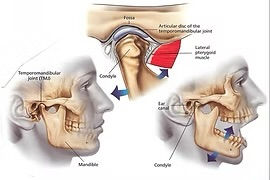
Bruxism is very common involuntary grinding or clenching of teeth/jaw. This is a common condition that can significantly impact teeth health, jaw function, TMJ pain, and overall wellbeing. Many people grind their teeth unconsciously during sleep or clench their jaw during periods of stress/anxiety often without realising the strain being placed on the temporomandibular joint (TMJ), teeth, and surrounding muscles.
At Dynamic Regenerative Medicine in Birmingham and Warwickshire, we frequently assess patients suffering from chronic jaw tension, facial pain, headaches, and tooth wear related to bruxism. Treatment strategies range from conservative measures such as stress management and occlusal splints to advanced treatments like jaw Botox injections, which have become an increasingly popular and effective option for persistent cases.
Our clinic already provides dedicated treatment through our Jaw Botox Treatment service page, which has become a highly searched option for patients seeking bruxism treatment in Birmingham.
What Is Bruxism?
Bruxism refers to repetitive clenching or grinding of the teeth, typically involving the masseter and temporalis muscles. It can occur:
👉🏼 During sleep (sleep bruxism)
👉🏼 While awake (awake bruxism)
Sleep bruxism is often classified as a sleep-related movement disorder, while awake bruxism is frequently linked to stress, anxiety, or concentration-related muscle tension.
Over time, excessive jaw muscle activity can cause:
Jaw pain and fatigue
Headaches and facial tension
Tooth wear and fractures
Temporomandibular joint dysfunction (TMJ pain)
Neck and shoulder pain
In severe cases, patients may also develop masseter hypertrophy, where the jaw muscles enlarge due to chronic overuse. Also, TMJ (jaw) disc damage that can consequently lead to jaw osteoarthritis.

Causes of Bruxism
Bruxism is typically multifactorial, meaning several factors may contribute simultaneously.
✅ Psychological factors
Stress, anxiety, and emotional tension are among the most common triggers. Many people clench their jaw subconsciously during stressful periods.
✅ Sleep disorders
Sleep bruxism may be associated with:
Poor sleep quality
Obstructive sleep apnoea
Sleep arousal disturbances
✅ Neurological and behavioural factors
Certain medications, stimulants, and neurological pathways may influence muscle activity during sleep.
✅ Bite or occlusal issues
Dental alignment problems may contribute in some individuals, though this is less commonly the primary cause.
Conservative Treatment for Bruxism
In addition to considering injection therapies, conservative strategies often form the foundation of treatment.
🌟 Stress and Anxiety Management
Because bruxism is frequently linked to stress and psychological tension, addressing these triggers can significantly improve symptoms.
Common strategies include:
Stress reduction techniques
Cognitive behavioural therapy (CBT)
Mindfulness and relaxation exercises
Improving sleep hygiene
Reducing caffeine and stimulant intake
Addressing emotional triggers can reduce daytime clenching and decrease overall muscle tension.
🌟 Occlusal Splints and Night Guards
Dentists frequently prescribe night guards or occlusal splints to protect teeth from grinding.
These devices:
Prevent tooth wear and fractures
Reduce pressure on the TMJ
Provide a mechanical barrier between teeth
However, while splints protect teeth, they do not always reduce the underlying muscle activity, meaning symptoms such as headaches and muscle fatigue may persist.
Jaw Botox Injections for Bruxism
For patients with persistent jaw clenching or severe muscle overactivity, botulinum toxin (Botox) injections into the masseter muscles have become a highly effective treatment option.
Botox works by temporarily reducing the strength of muscle contraction. By relaxing the masseter muscles, the excessive force generated during grinding and clenching is reduced.
This can lead to:
✅ Reduced jaw pain
✅ Decreased teeth grinding intensity
✅ Reduced muscle fatigue and headaches
✅ Improved jaw mobility
✅ Reduction in masseter hypertrophy
Most patients experience improvement within 1–3 weeks, with effects typically lasting 3–6 months. Longer when conservative management is applied.
Clinical Research Supporting Botox for Bruxism
Scientific research has increasingly supported the use of botulinum toxin injections for managing bruxism and jaw muscle hyperactivity.
A randomised controlled trial published in the American Journal of Physical Medicine & Rehabilitation demonstrated that botulinum toxin injections significantly reduced the number of nocturnal bruxism events by decreasing masseter muscle activity.
Another double-blind placebo-controlled study published in the journal Neurology found that botulinum toxin injections into the masseter and temporalis muscles significantly improved clinical global impression scores and patient-reported bruxism symptoms compared with placebo.
Further controlled clinical research has shown that low-dose botulinum toxin injections can significantly reduce jaw muscle pain and electromyographic activity in the masseter muscle, improving symptoms of nocturnal bruxism for several months following treatment.
If you revert to PubMed, you will see that there is a significant amount of support in clinical literature in this area. These studies support the concept that Botox does not necessarily eliminate the neurological trigger of bruxism but reduces the intensity and force of muscle contraction, thereby decreasing pain, tooth damage, and muscle fatigue.

Why Botox Works for Bruxism
The effectiveness of Botox stems from its ability to interrupt the neuromuscular signalling between nerves and muscles.
Botulinum toxin blocks the release of acetylcholine at the neuromuscular junction, temporarily reducing muscle contraction strength. In the context of bruxism, this means the masseter muscle can still function for normal chewing, but the excessive force generated during clenching or grinding is significantly reduced.
This reduction in force protects both the teeth and the temporomandibular joint, while allowing the jaw muscles to recover from chronic overuse.
Who Is Suitable for Jaw Botox Treatment?
Botox injections may be considered for patients experiencing:
👉🏼 Chronic jaw clenching or grinding
👉🏼 Jaw muscle pain or fatigue
👉🏼 Headaches linked to jaw tension
👉🏼 TMJ discomfort
👉🏼 Teeth wear from bruxism
👉🏼 Enlarged masseter muscles
It is particularly helpful when conservative treatments such as splints and stress management have not fully resolved symptoms.
Combining Botox with Conservative Care
The best results often occur when Botox injections are combined with supportive treatments such as:
✔️ Stress reduction and relaxation techniques
✔️ Physiotherapy for the jaw and neck muscles
✔️ Dental night guards where appropriate
✔️ Lifestyle adjustments to reduce clenching triggers
This integrated approach helps address both the muscular symptoms and the underlying behavioural triggers of bruxism.
Bruxism Treatment in Birmingham and Warwickshire
At Dynamic Regenerative Medicine, we provide a comprehensive approach to bruxism treatment in Birmingham and Warwickshire, combining clinical assessment, conservative management, and advanced injection therapies when appropriate.
Our services include:
Detailed musculoskeletal and jaw assessment
Jaw Botox injections for bruxism and masseter hypertrophy
TMJ pain management
Advice on stress-related clenching and lifestyle triggers
Personalised treatment plans tailored to each patient
If you suffer from persistent jaw tension, headaches, or teeth grinding, early assessment and targeted treatment can help protect your jaw joints, muscles, and teeth while improving overall comfort and function.
Book a consultation at Dynamic Regenerative Medicine today to explore effective bruxism treatment options in Birmingham.
Book a Consultation
If you are experiencing joint pain or injury, early assessment can prevent progression and speed recovery.
Dynamic Regenerative Medicine
Clinics in Birmingham and Warwickshire
Specialists in musculoskeletal medicine, rehabilitation, and regenerative therapies.
Contact us today to arrange an assessment.
01564 330773


The content is clear and well articulated on all the main points. The explanations are accompanied by practical examples that aid understanding. I saved the link to share it with those who might find it useful. It is one of those texts worth reading carefully.